Why Anticipation Makes a Memory Stick
The wait isn't dead time. It's the part your brain remembers best.
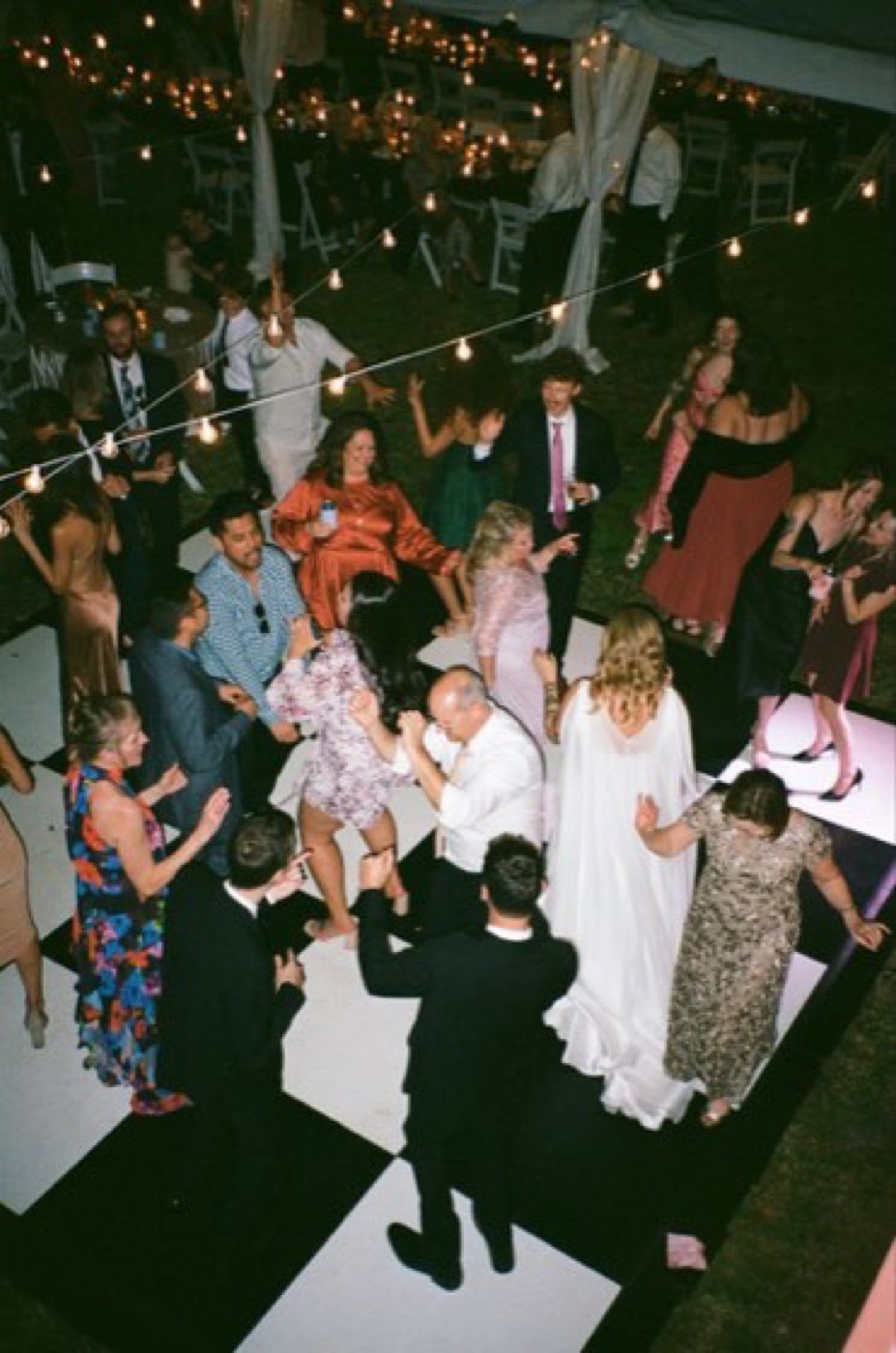
Ask anyone who's shot a roll of film and they'll tell you the same thing: the developed photos hit harder than a camera roll ever does. It's tempting to credit the grain or the color, but that's not it. The difference is the wait. The days between pressing the shutter and seeing the picture do something measurable to how strongly you hold a moment — and it's worth understanding why, because it's not sentimental. It's how memory works.
The brain runs on prediction
Your brain is, at its core, a prediction machine. It's constantly guessing what comes next, and it pays the most attention precisely when it isn't sure. A known outcome barely registers; an uncertain one lights everything up. This is why a wrapped gift is more exciting than the same gift handed to you bare, and why a cliffhanger keeps you up at night.
An undeveloped roll is a wrapped gift. You know roughly what's inside — the night you lived — but not the specifics. That gap between "I know I was there" and "I don't yet know what I caught" is uncertainty, and uncertainty is what keeps the moment active in your mind instead of filed away.
Anticipation is its own pleasure
There's a well-worn finding in psychology that people often get more happiness from looking forward to something than from the thing itself. The anticipation of a trip can outshine the trip. The wait outperforms the payoff. This isn't a flaw — it's a feature of how reward works in the brain, where the chemistry of wanting fires hardest in the run-up, not the arrival.
Instant photos give you the payoff and skip the wanting. Film makes you want the photos for days — and the wanting is half the joy.
When you can see a photo instantly, you collapse that whole run-up to zero. You get the result and none of the anticipation. A roll that develops later restores the wanting, and the wanting turns out to be a large and underrated part of the pleasure.
Distance makes the photo land
Here's the second mechanism, and it's almost the opposite of the first. When you review a photo the instant you take it, the real scene is still right there in front of you. The photo can't surprise you, because reality hasn't faded yet — you're comparing the picture to the thing itself.
Wait a few days and the scene softens in your memory. Details blur, the edges go fuzzy, the night becomes a feeling more than a record. Then the photos arrive — sharp, specific, full of small things you'd already forgotten. The dress someone wore. The way the light fell. The expression you didn't notice in the moment. Each frame lands as a little rediscovery, because the gap between your faded memory and the vivid photo is exactly where surprise lives.
Two events instead of one
Add it up and the wait gives you something instant photos can't: a second event. The night happens once when you live it. Then, days later, it happens again — the reveal — and the second time is communal, anticipated, and full of surprises. You've effectively doubled the moment, and the encore is often more vivid than the original because you get to see it whole, from outside, with the people who were there.
The shape of a remembered experience
There's a useful idea from the study of memory: we don't remember experiences as a smooth average of every minute. We remember them by their shape — mostly the emotional peaks and how they ended. A flat experience with no peak and a forgettable ending barely registers, even if it was perfectly pleasant. An experience with a clear high point and a satisfying close gets filed away as memorable, even if parts of it were dull.
The wait-and-reveal structure is, almost by accident, a machine for giving an ordinary night a good shape. The anticipation builds toward something. The reveal is a distinct emotional peak — a flood of surprise and recognition all at once. And it provides a clean ending, a moment the night resolves into rather than just trailing off. You've taken a flat timeline — a party that, honestly, might otherwise blur into all the other parties — and given it a peak and a finish, the two things memory cares about most.
Compare that to the instant-photo version, where there's no anticipation, no peak of revelation, and no ending — just a continuous stream of images you saw as they happened and forgot just as fast. The night has no shape, so it leaves no mark. The wait doesn't just add a nice moment at the end. It restructures the whole experience into something the mind is built to keep.
The reveal in Films isn't a limitation we couldn't engineer around — it's the entire point. By holding the photos until a time you choose, the app turns one night into two experiences and lets anticipation do what it does best: make the memory stick. The wait isn't the price of the photos. It's part of what makes them worth keeping.
The case for delayed gratification, with a camera
We've spent two decades engineering the wait out of everything — instant photos, instant messages, instant everything. And mostly that's been a gift. But somewhere in the rush to immediacy, we gave away a small, reliable source of joy: the pleasure of looking forward to something, and the way a moment deepens when you let a little time pass before you look at it.
A roll of film, or a shared film on your phone, is a way to buy that back. Not because waiting is virtuous, but because the wait is where the feeling gets made.
Written by the Filmsera team
Filmsera is a group film camera — Host a Film, shoot Shots through 24 Looks, and open every Frame together at Reveal. Download on the App Store →