From Roll to Recap: Turning a Film Into a Reel Worth Sharing
Forty photos is an album. The right twelve, set to music, is a memory.
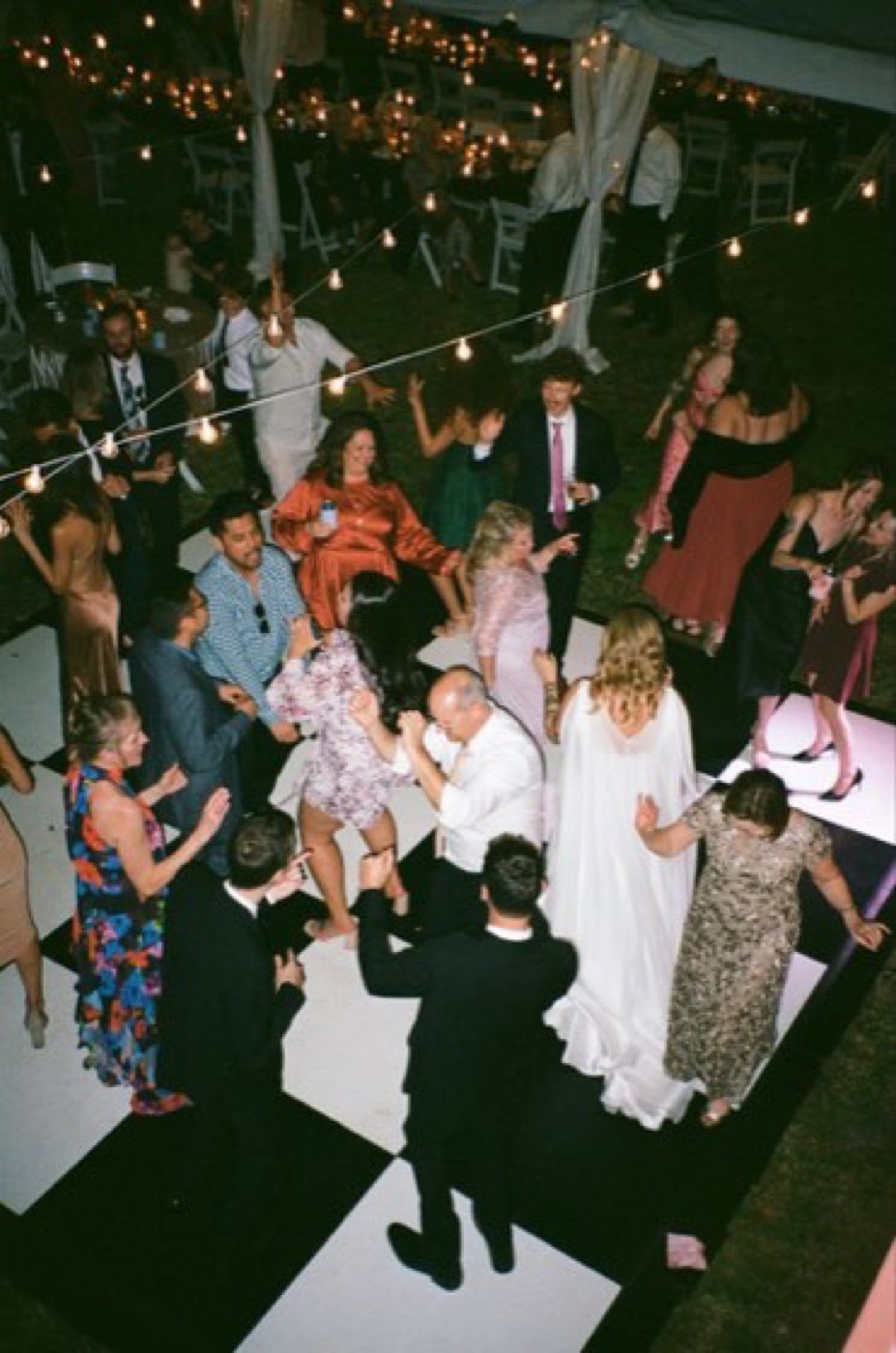
When a film develops, you get the whole roll — forty, sixty, a hundred photos of the night. That's the archive, and it's wonderful. But an archive isn't the same as a story. A Recap is the story: a short, set-to-music edit of the night that you and everyone in it will actually rewatch. The difference between a roll and a Recap is the difference between a closet full of clothes and an outfit.
An edit is a series of nos
The instinct, when you've got a great roll, is to include everything. Resist it. A good Recap is defined by what you leave out. Twelve to twenty photos is usually the sweet spot — enough to tell the arc of the night, few enough that every frame earns its place.
The discipline here is the same one that makes any edit good: for each photo, ask whether it's adding something — a new face, a new beat, a new feeling — or just repeating a note you already played. Three near-identical shots of the toast become one. The blurry one that somehow captures the whole mood stays, even though it's technically the worst photo on the roll.
The roll is everything that happened. The Recap is everything that mattered. Your job is to know the difference.
Find the arc
Even a house party has a shape: people arriving, the room filling up, the peak, the wind-down. A Recap feels satisfying when it follows that shape instead of fighting it. Open on something that sets the scene — the empty table before everyone sat down, the first drink poured. Build toward the loud, crowded middle. Close on something quiet: the last people standing, the mess, the light coming up.
You don't need to be rigid about it. But an edit that moves from calm to chaos and back lands far harder than the same photos in random order.
Music does half the work
Nothing changes the feeling of a set of photos faster than what's playing underneath them. The same twelve frames can feel euphoric, wistful, or cinematic depending on the track. So choose the music for the emotion you want people to walk away with, not just the genre of the night.
- Something warm and slow turns a party into a memory — it tells the viewer "this mattered."
- Something fast and bright keeps the energy of the night alive and suits a quick, punchy cut.
- Pace the photos to the music, not the other way around. Let images linger through a soft passage; let them snap by on the beat.
Choose a style that matches the look
A Recap can be cut a handful of ways — a clean classic edit, a fast cut, a slow and emotional version, a Super 8 reel, an instant-film montage. The trick is to let the Recap style rhyme with the look the film was shot in. A disposable-flash party roll wants a fast, punchy cut. A warm, golden dinner wants the slow, emotional treatment. When the edit and the look agree with each other, the whole thing feels authored rather than auto-generated.
The first and last frames carry the most weight
If you only get two edits exactly right, make them the opening and closing frames. They do disproportionate work. The first image sets the entire mood — it tells the viewer, in a fraction of a second, what kind of night this was and how to feel about it. Open on chaos and the whole Recap reads as chaos; open on something still and warm and it reads as tender. Choose the first frame for the feeling you want people walking in with, not necessarily for the "best" photo.
The closing frame is what people are left holding when the music stops, so it should land somewhere a little quiet — a resolution, not a peak. The empty room after everyone left. The last two friends on the couch. The mess on the table at 2 a.m. Ending on calm after the noise gives the Recap a shape, an arc, a sense that it was about something rather than just a pile of good moments in a row.
The middle is more forgiving. Once you've nailed the bookends, the interior frames can breathe — build the energy, let it crest, bring it down. But spend your real attention on the open and the close, because those are the two moments a viewer actually remembers. A Recap with a strong first and last frame feels authored even if the middle is loose. One with a weak open and a random ending feels like a slideshow no matter how good the photos are.
Films builds the Recap as a real shareable video — Ken Burns motion across each frame, the look's grade baked in, your music underneath, and a handful of styles to choose from. You can drop in stickers and a title, then export it as a clip to send or post. It's the part of the night that lives outside the app, in your friends' messages and feeds.
The version people keep
Here's the quiet truth about photos from a great night: most of them get looked at once. The full roll is a treasure, but it's a treasure you visit rarely. The Recap is the part that travels. It's what gets sent to the friend who couldn't make it, posted on the anniversary, watched again a year later when someone says "remember that night?"
So spend the extra ten minutes. Cut it down, find the arc, pick the right song. A roll is a record. A Recap, done well, is a reason to remember.
Written by the Filmsera team
Filmsera is a group film camera — Host a Film, shoot Shots through 24 Looks, and open every Frame together at Reveal. Download on the App Store →