The Quiet Power of a Shared Point of View
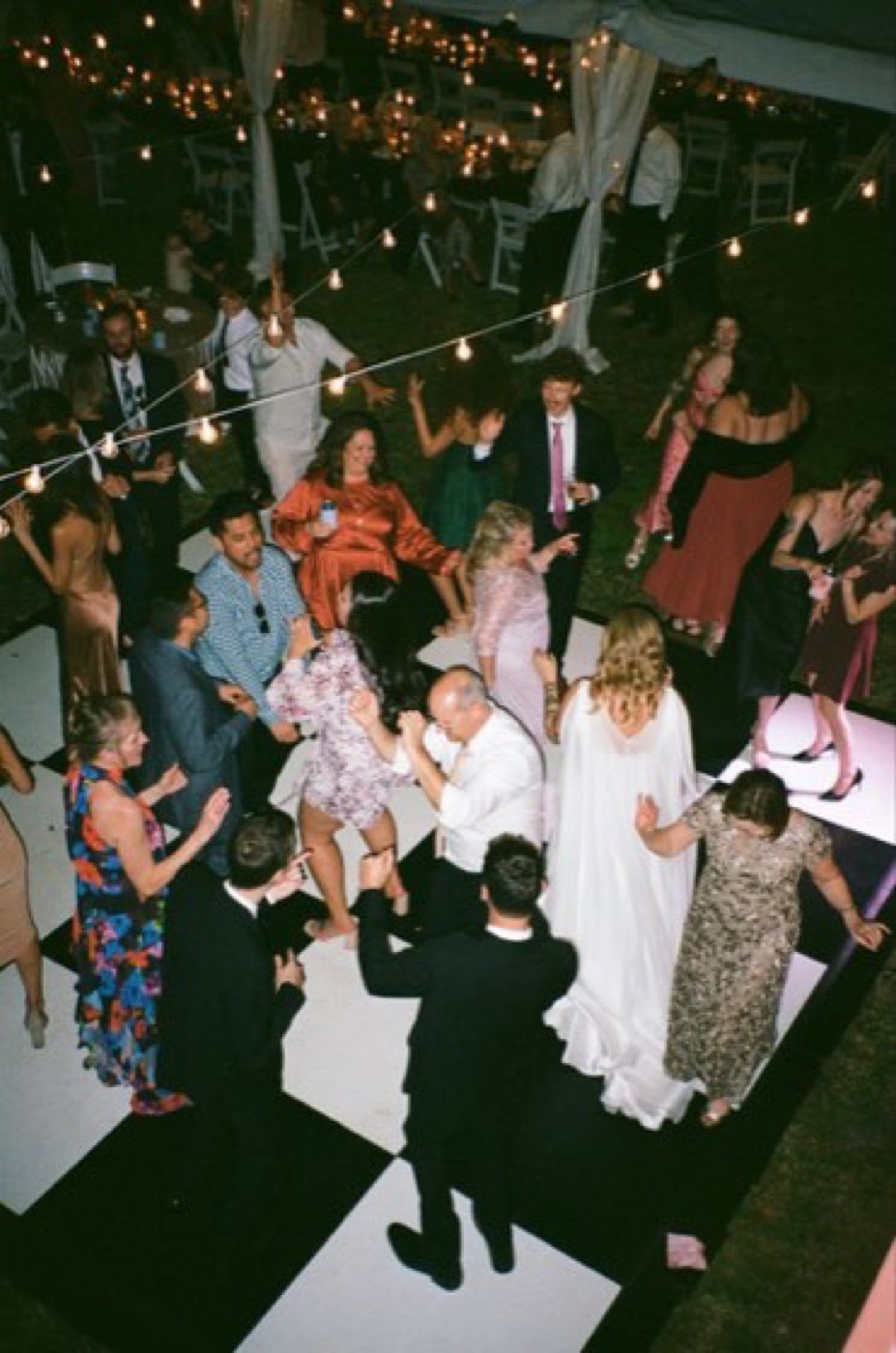
The same night, seen through everyone's eyes at once.
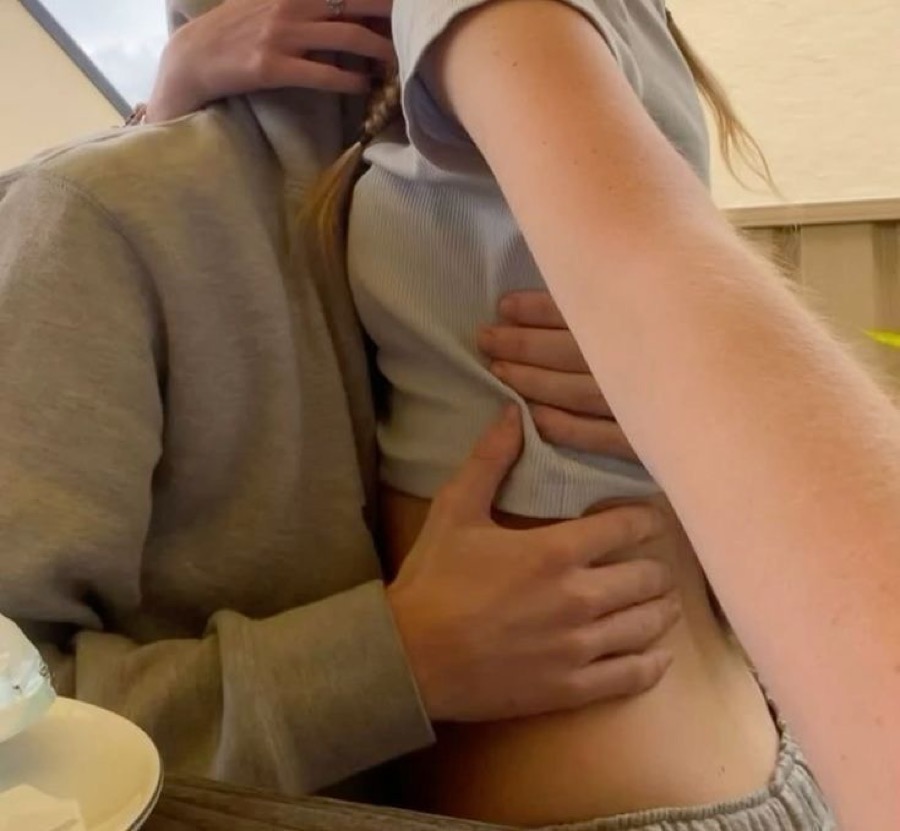
You experience every moment of your life from exactly one position: behind your own eyes. It's so constant you forget it's a limitation. You were at the party, but you only saw your corner of it. You were at the wedding, but you missed the half of the room you had your back to. A shared roll does something quietly profound — it gives you the angles you couldn't have had, and shows you the night the way everyone else saw it, including the parts with you in them.
The blind spot you can't see past
The deepest blind spot in your own memory is yourself. You can't see your own face light up. You can't watch yourself in the middle of a story, mid-laugh, completely unguarded. Those moments — arguably the best ones — are permanently invisible to the only person who lived them. They exist only in other people's eyes.
This is why a candid someone else took of you can feel like a small revelation. It's not just a nice photo. It's a glimpse of a version of yourself you are structurally unable to witness any other way: you, as you actually appear to the people who love you.
The one moment you can never see is the one everyone else remembers most: your own face, when you forgot anyone was looking.
One night, many witnesses
Now multiply that across a whole group. Everyone at the gathering was its own camera, pointed in a different direction, catching a different slice. One person saw the kitchen. One saw the dance floor. One was outside for the quiet conversation that turned out to be the heart of the night. None of them saw the whole thing — but together, they did.
A shared film gathers all those partial views into one complete one. It's less like a photo album and more like the night reconstructed in the round, from every position at once. You finally get to see the event you were at — the actual whole of it, not just your seat.
The truth lives in the gaps
There's an honesty to this that a single photographer can't provide. One person's photos, however skilled, carry one person's eye — what they noticed, what they thought was worth shooting, what they walked past. A shared roll has no single author and therefore no single bias. It catches the things one photographer would've missed because someone, somewhere in the room, found them worth a frame.
That's why these rolls so often surprise you. Buried in them is the moment you didn't know happened — the toast you stepped out for, the friend who teared up when no one was watching, the two people who clearly hit it off in the corner. The collective eye sees more than any individual one, and the gaps in your own memory are exactly where its gifts are hiding.
How a roll becomes the group's memory
Something subtle happens to a friend group's memory once a shared roll exists. The night stops being a set of individual recollections — yours, slightly different from his, both different from hers — and becomes a single canonical version everyone can point to. "Remember that night?" stops being a vague gesture and starts being a thing you can actually pull up and scroll through together.
Researchers who study how groups remember have a name for roughly this: collective memory, the shared store of events a group treats as its common history. Families build it through retold stories and the same dozen photos that come out every holiday. Friend groups build it through nights like these. A shared roll is collective memory made tangible — the agreed-upon record of who you all were at a particular moment in time.
And that matters more than it sounds, because memory is what holds a group together. The inside jokes, the "you had to be there" moments, the running references — they all rest on a shared store of remembered experience. The more of it a group has in common, the closer it feels. A roll that everyone shot and everyone can revisit isn't just a nice keepsake. It's a small deposit in the bank of being close to people, the thing you'll draw on years later when you want to remember not just what happened, but who you all were.
Because everyone shoots into one film, the reveal isn't your photos — it's the photos, the whole night from every angle, developed together at once. You're not scrolling your own partial record. You're seeing the complete event, finally including the parts you were in.
A small antidote to loneliness
There's something gently moving about all this, if you sit with it. We move through our lives a little alone inside our own heads, each of us holding a private, incomplete version of every shared moment. A roll that everyone contributed to is a way of pooling those private versions into something none of us could make alone — proof that the night was bigger than any one person's memory of it.
That's the quiet power of a shared point of view. Not just better coverage. A more complete, more honest, more collective way of remembering the times we were together — which, in the end, are the times most worth remembering at all.
Written by the Filmsera team
Filmsera is a group film camera — Host a Film, shoot Shots through 24 Looks, and open every Frame together at Reveal. Download on the App Store →