Golden Hour vs. Blue Hour: Shooting With the Light You're Given
The two best hours of the day are an hour apart. Know which one you're in.

The two best hours for taking photographs sit right next to each other, and most people only know about one of them. Golden hour gets all the attention — and deserves a lot of it — but the hour that follows, blue hour, is just as beautiful and almost completely different in character. Knowing which one you're standing in, and what each is good for, is one of the fastest ways to take better photos without changing anything about your camera.
Golden hour: the light that flatters
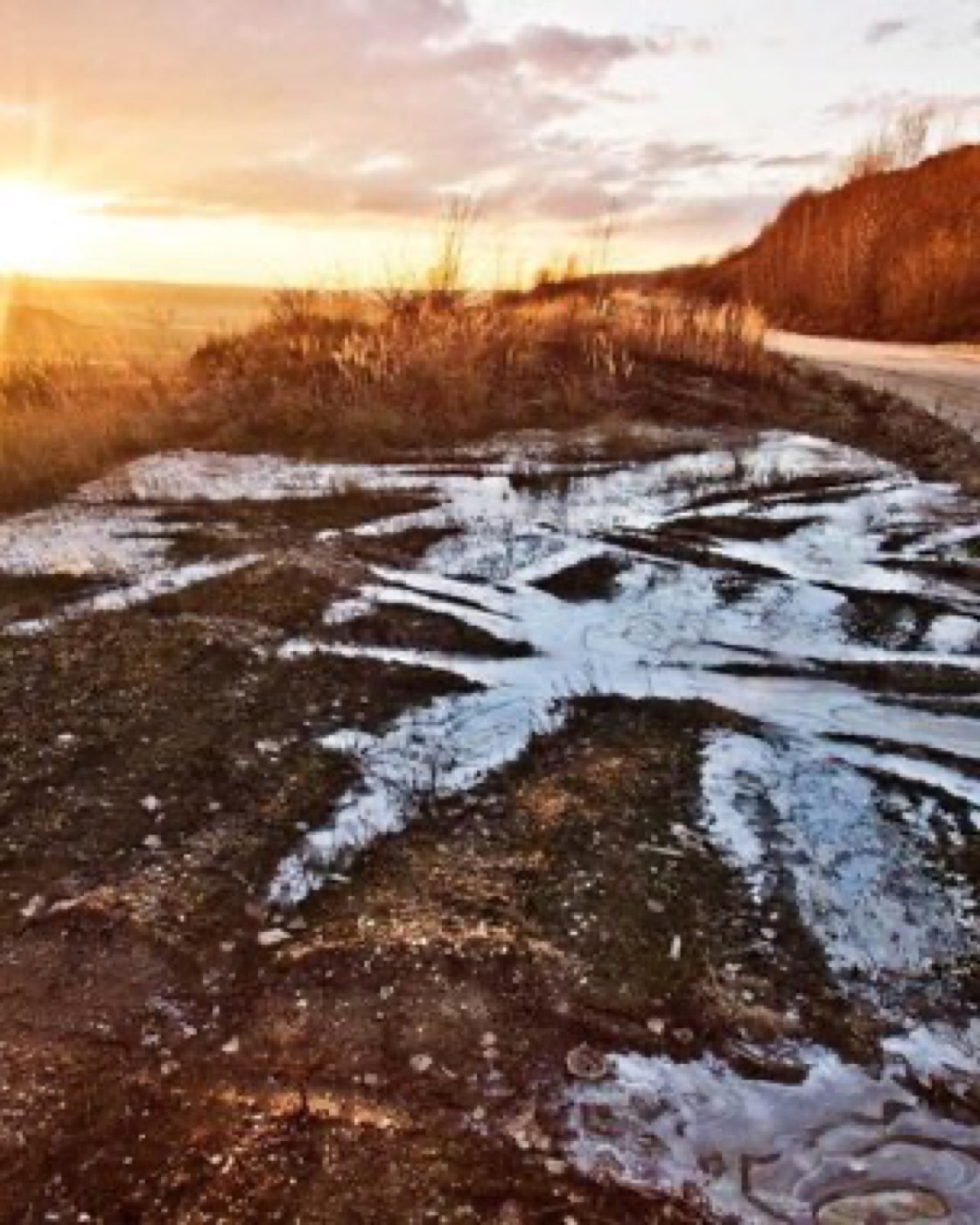
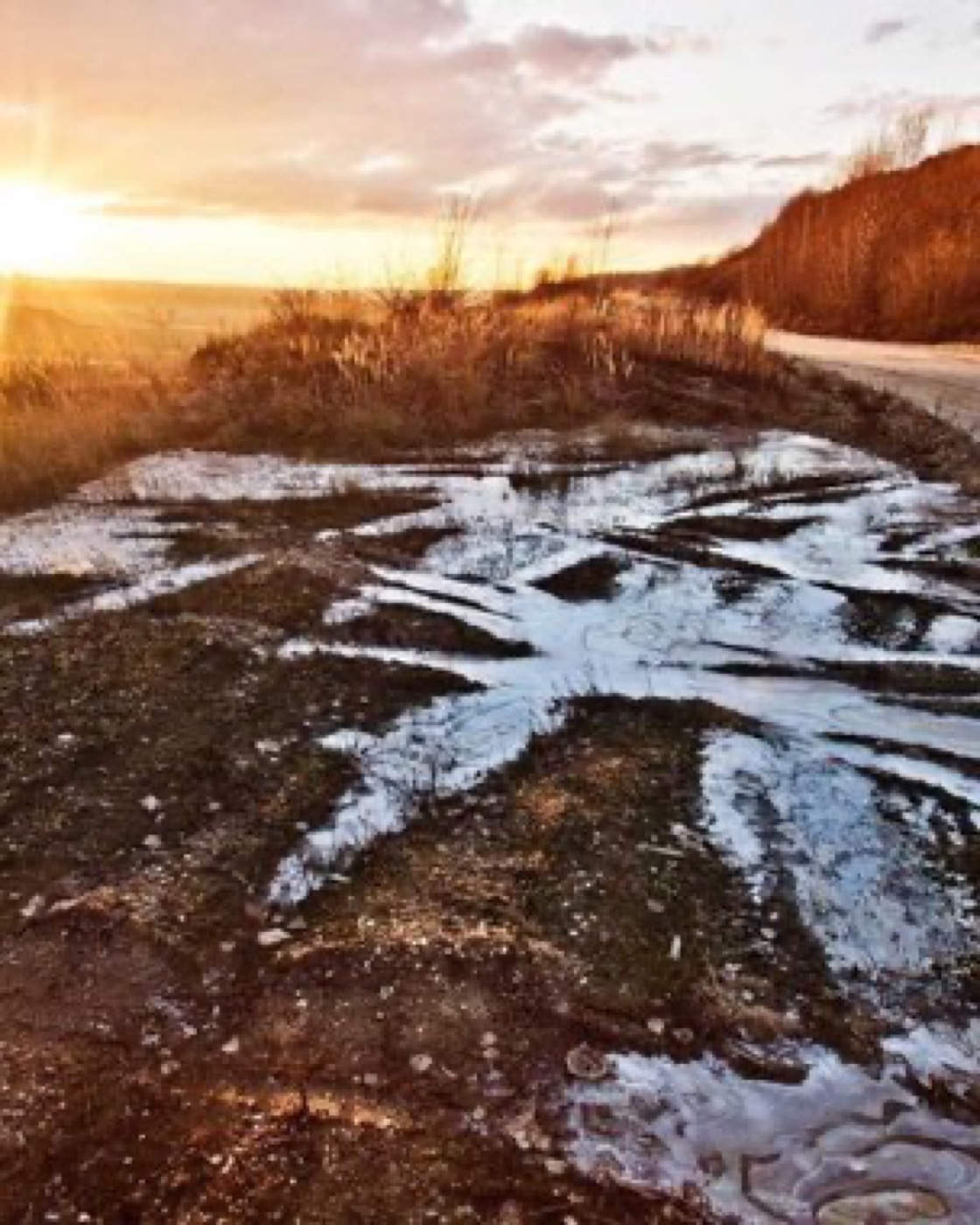
Golden hour is the stretch shortly after sunrise and before sunset, when the sun sits low and its light travels through more atmosphere to reach you. That long path scatters away the harsh blue end of the spectrum and leaves the warm end — soft, golden, directional light that seems to come from the side rather than straight down.
What this does to a photograph is almost unfair. Shadows stretch long and soft instead of falling hard under the chin. Skin turns warm and luminous. Everything picks up a faint halo where the light wraps around its edges. It's the light that makes amateur portraits look professional, because it's doing the flattering for you.
- Put the sun behind your subject for a glowing rim of light around their hair and shoulders.
- Shoot toward the light for haze and flare; shoot with it at your side for soft, dimensional faces.
- Move fast. The best of it lasts maybe twenty minutes, and the quality changes by the minute.
Golden hour is the only time of day that makes a parking lot look like a memory.
Blue hour: the light that transforms
Then the sun drops below the horizon, and most people put their cameras away. That's the mistake. For roughly twenty to forty minutes after sunset — blue hour — the sky holds a deep, even, luminous blue while the sun is gone but not far gone. The light is soft, shadowless, and cool, and it does something golden hour can't.
This is the hour the city turns on. Streetlights, windows, neon, headlights — all the warm artificial light suddenly reads against that cool blue sky, and the contrast between the two is electric. A street that looked ordinary at noon becomes cinematic. It's the hour for cities, for skylines, for warm windows in a cool dusk.
How to tell which one you're in
The simplest tell is the sun and the shadows. If the sun is still above the horizon and casting long, warm, visible shadows, you're in golden hour — shoot people, shoot faces, shoot anything you want to look warm and alive. The moment the sun disappears and the shadows vanish into an even, deepening blue, you've crossed into blue hour — turn toward the lights, the buildings, the glow of the man-made world against the sky.
The transition between them is seamless and quick, which means the richest move is to shoot straight through it: portraits in the gold, then pivot to the lit-up street as the blue comes in. Twenty minutes of work, two completely different rolls.
And the hour nobody photographs
It's worth naming the opposite of these two hours, because you'll spend most of your life shooting in it: harsh midday sun. When the sun is directly overhead, the light comes straight down, which is the least flattering angle there is. It drops hard shadows into eye sockets and under noses, blows out highlights, and flattens everything into high, ugly contrast. This is the light that makes vacation photos look worse than the vacation felt.
You can't always avoid it — the moment happens when it happens — so the useful thing is knowing how to survive it. The trick is almost always to get out of the direct sun. Move your subject into open shade: the side of a building, under a tree, beneath an awning. Shade gives you soft, even, directionless light that's far kinder to faces than the brutal overhead sun ten feet away. Counterintuitively, the shadow is where the good light is.
If you're stuck in the open, put the sun behind your subject and expose for their face, letting the background go bright — backlighting turns harsh sun into a rim of glow instead of a spotlight from above. And lean toward a softer, lower-contrast look that won't amplify the already-harsh shadows. None of this makes noon as good as golden hour. But knowing that midday is the enemy — and that shade is the escape hatch — will save more of your photos than any other single piece of lighting advice.
In Films, a warm portrait look amplifies what golden hour is already doing — lean into it for faces in that low sun. When blue hour arrives and the lights come on, a punchier, higher-contrast look makes those warm points of light pop against the cool sky. Letting your look agree with the hour is half the battle.
The light you're given
You can't control the weather or the time you happen to be free, and most of the best photos in your life will be taken in light you didn't choose. But these two hours are the closest thing photography has to a cheat code, and they happen every single day, for free, whether or not anyone shows up to use them.
So when the sun gets low, don't pack up at sunset. Stay through the gold, wait for the blue, and shoot both. The light at the edges of the day is the best light there is — and it's gone in an hour.
Written by the Filmsera team
Filmsera is a group film camera — Host a Film, shoot Shots through 24 Looks, and open every Frame together at Reveal. Download on the App Store →